Microsoft Fabric for a Unified Data Platform
Bring data engineering, warehousing, analytics, and AI together in a single Microsoft platform.

What is Microsoft Fabric?
Microsoft Fabric is a unified data platform that combines data engineering, warehousing, real‑time analytics, and Power BI in one SaaS experience.
Instead of managing multiple tools, Fabric provides a single foundation with OneLake storage. This reduces duplication, simplifies governance, and speeds up insight delivery.
Fabric is ideal for organisations that need to scale beyond reporting, build AI‑ready datasets, and bring analytics closer to the business.
We help you design a Fabric roadmap, deliver the initial foundation quickly, and expand capability over time.
Problems Fabric Solves
If your data estate is fragmented, Fabric provides a unified alternative.
Fragmented Data Estate
Data lives across warehouses, data lakes, and analytics tools with no single view.
High Data Engineering Effort
Building pipelines and managing tools consumes time and budget.
Siloed Analytics
Reporting and data engineering are disconnected, slowing insight delivery.
Limited AI Readiness
AI and Copilot initiatives stall due to poor data foundations.
Complex Licensing
Multiple tools mean multiple licences and fragmented costs.
Governance Gaps
Security and compliance policies are inconsistent across tools.
Fabric Capabilities
Fabric brings multiple analytics workloads into one platform.
Data Engineering
Build and manage pipelines with Spark, notebooks, and Dataflows Gen2.

Data Warehouse
Modern cloud warehouse with T‑SQL, performance optimisation, and scale.

Real‑Time Analytics
Stream and analyse data with low latency and instant dashboards.

Where Fabric Delivers Value
Practical use cases for unifying data and accelerating analytics.
Modern Data Platform
Replace legacy warehouses with a unified, cloud‑native platform.
Real‑Time Operations
Monitor production, logistics, or service delivery in near real time.
Customer 360
Unify CRM, web, and transaction data for a complete customer view.
Financial Consolidation
Bring together multi‑entity data for consolidated reporting.
Predictive Maintenance
Combine IoT and operational data to predict failures.
Regulatory Reporting
Streamline compliance reporting with governed, trusted data.
Built for Unified Analytics
A single platform for engineering, warehousing, and BI.
OneLake Foundation
A single data lake for every workload, reducing duplication and complexity.
- Single storage layer
- Shared data access
- Reduced duplication
- Simplified management

Unified Governance
Consistent security and compliance across engineering, warehousing, and BI.
- Role‑based access
- Audit logging
- Policy consistency
- Data lineage

AI‑Ready Data
Prepare datasets for Copilot and ML use cases with minimal effort.
- Clean datasets
- Model readiness
- Semantic models
- Faster AI use cases

Power BI Integration
Fabric includes Power BI for dashboards and self‑service reporting.
- DirectLake mode
- Semantic models
- Dashboards
- Self‑service analytics

Why UK Growing Businesses Choose Fabric
Fabric provides enterprise‑grade data capabilities without the enterprise complexity.
Start with High‑Impact Data
Focus on a few priority datasets before expanding.
Lower Total Cost
One capacity model reduces licensing complexity and cost.
Rapid Time to Value
Deliver usable datasets and reports in weeks.

Scale as You Grow
Fabric scales from mid‑market needs to enterprise workloads.
AI‑Ready Foundation
Prepare for Copilot and ML without rebuilding your stack.
Secure by Design
Governance and security are built into the platform.
The Business Impact of Fabric
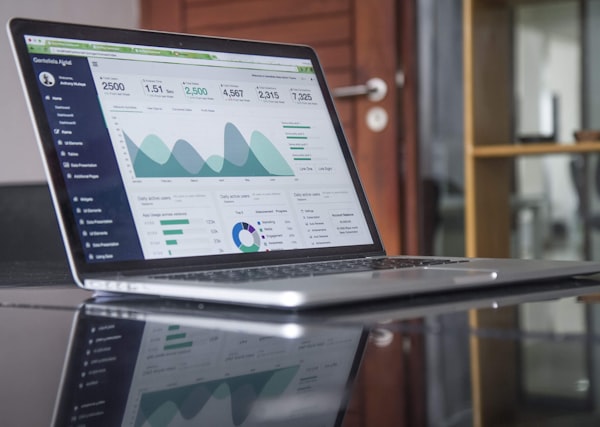
Organisations using Fabric see lower cost and faster insight delivery.
How We Deliver Fabric
We deliver Fabric in phases, starting with a focused foundation and scaling over time.
Assessment & Roadmap
Review your data estate and define the best adoption path.
Foundation Build
Set up OneLake, governance, and core data pipelines.
Analytics Delivery
Deliver dashboards and reporting on the unified data platform.
Scale & Optimise
Expand workloads, add real‑time analytics, and optimise performance.

Frequently Asked Questions
Common questions about Microsoft Fabric for UK businesses.
What is Microsoft Fabric?
Microsoft Fabric is a unified analytics platform that combines data engineering, data warehousing, real‑time analytics, and Power BI on a single SaaS foundation with OneLake storage.
Do we need Fabric if we already use Power BI?
Not always. Many organisations start with Power BI and move to Fabric as their data engineering and warehousing needs grow. Fabric provides the broader data platform around Power BI.
Can Fabric replace Azure Synapse or Databricks?
In many cases, yes. Fabric consolidates capabilities that previously required multiple tools, but we assess fit based on your existing architecture and requirements.
How long does Fabric implementation take?
An initial Fabric foundation can be delivered in 4–8 weeks, depending on data sources and complexity.
Is Fabric secure and compliant?
Yes. Fabric uses Microsoft’s security, compliance, and governance standards with role‑based access, auditing, and data lineage.
Related Solutions & Resources
Explore complementary services that work alongside Fabric.
Ready to unify your data platform?
Let’s design a Fabric roadmap that delivers value quickly and scales with you.
Our initial consultation is complimentary. We'll discuss your objectives and provide honest guidance on next steps.